“Three-day summit organized through NC State’s ASSIST Center and Institute for Connected Sensor Systems (IConS) brought together engineers, scientists, philosophers, artists, and Indigenous perspectives to explore how sensing technologies and artificial intelligence are transforming our relationships with living systems.”
What happens when technology allows humans to perceive aspects of other living beings that were previously beyond our senses? Could wearable sensors and artificial intelligence help us better understand animal behavior, communication, and even the relationships that develop between species?
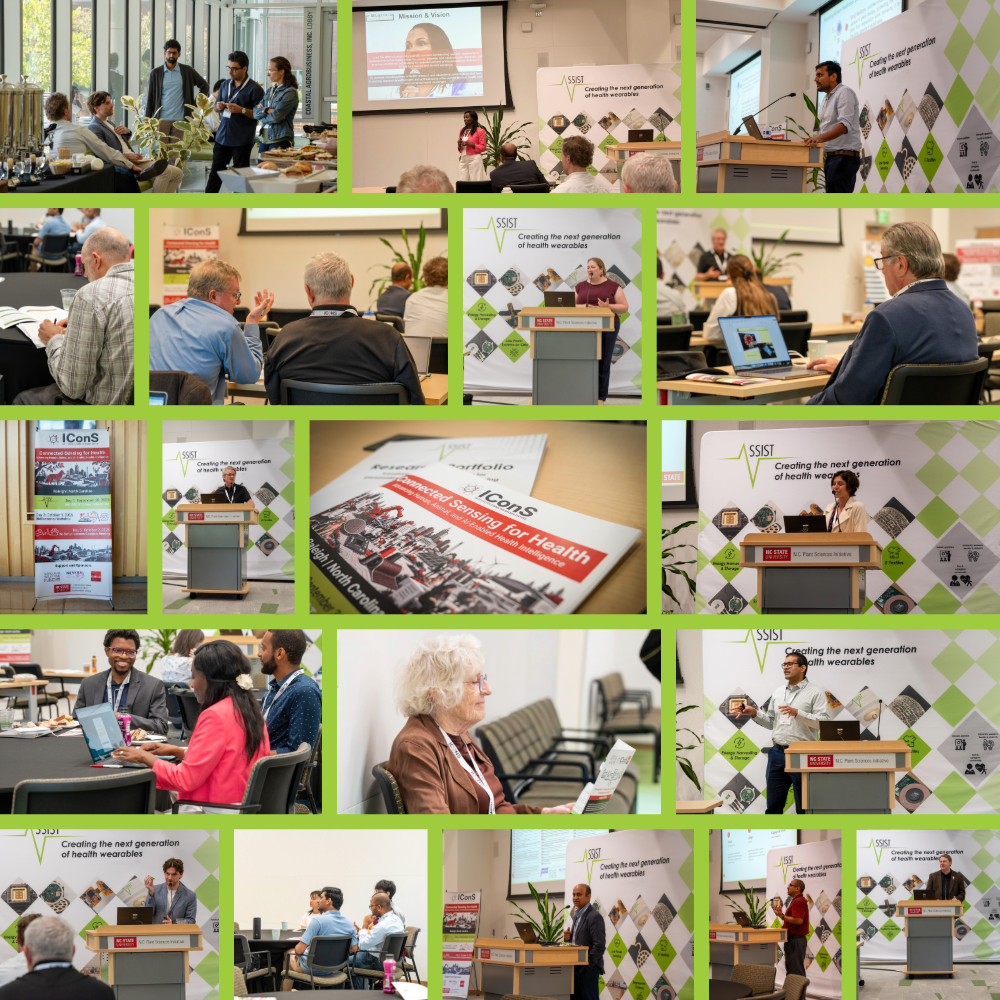
These questions were at the center of NC State University’s 2026 Connected Sensing for Health Summit, held September 30 through October 2 at the Plant Sciences Building in Raleigh. The three-day event connected advances in engineering and bioelectronics with broader questions about biology, health, intelligence, awareness, and human relationships with the natural world.
The summit was organized through the NSF Center for Advanced Self-Powered Systems of Integrated Sensors and Technologies (ASSIST) and the Institute for Connected Sensor Systems (IConS), with leadership from Alper Bozkurt, Ph.D., and Michael Daniele, Ph.D., co-directors of ASSIST and IConS at NC State, along with Innovation Ecosystem Director Ravi Chilukuri, Ph.D. and Marketing and Operations Manager Cara Rebackoff.
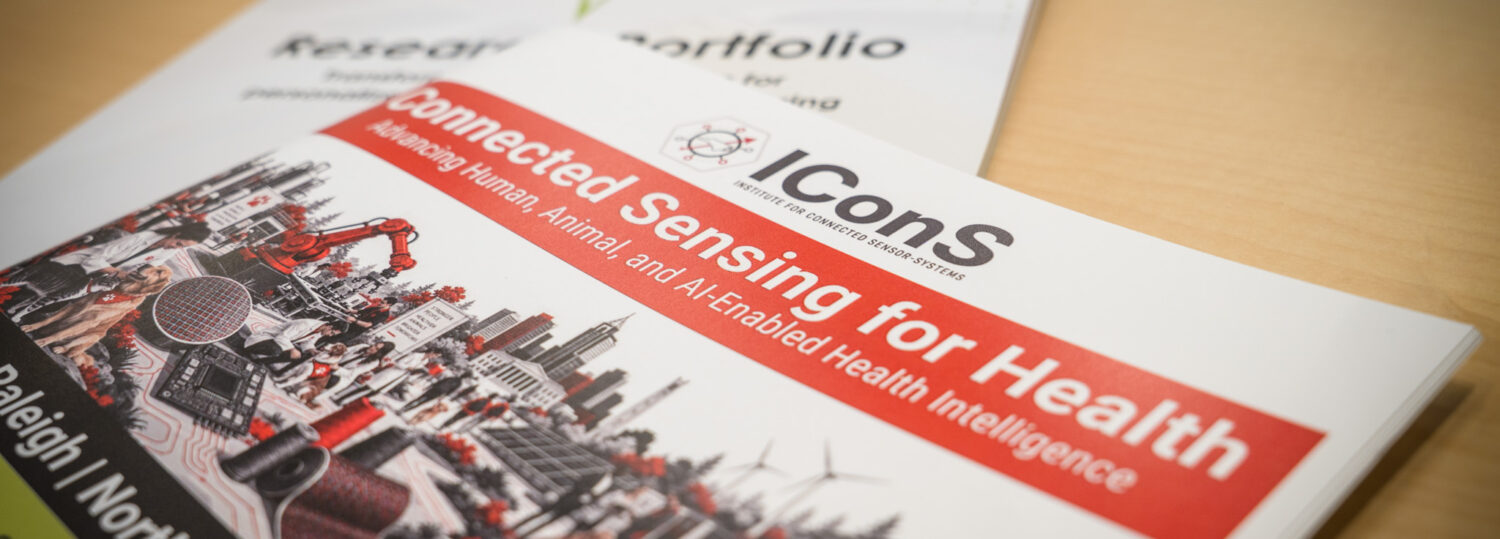
The program brought together three complementary events: the NSF ASSIST Center Industry Day on September 30, the International Bioelectronics Workshop on October 1, and the Interspecies Co-Consciousness Catalysis Meeting on October 2.
Two Days of Engineering Innovation Set the Stage
The summit’s first two days provided the technological foundation for these broader discussions.
The NSF ASSIST Center Industry Day, held September 30, focused on translating research in self-powered sensing, wearable electronics, artificial intelligence, and connected health into practical applications. Researchers, industry representatives, and innovation leaders discussed opportunities in healthcare, agriculture, veterinary medicine, textiles, environmental monitoring, and technology commercialization.
Presentations and research posters highlighted the breadth of connected sensing activities at NC State and its partner institutions, including wearable biosensors, intelligent monitoring systems, wildlife tracking, and emerging medical technologies.
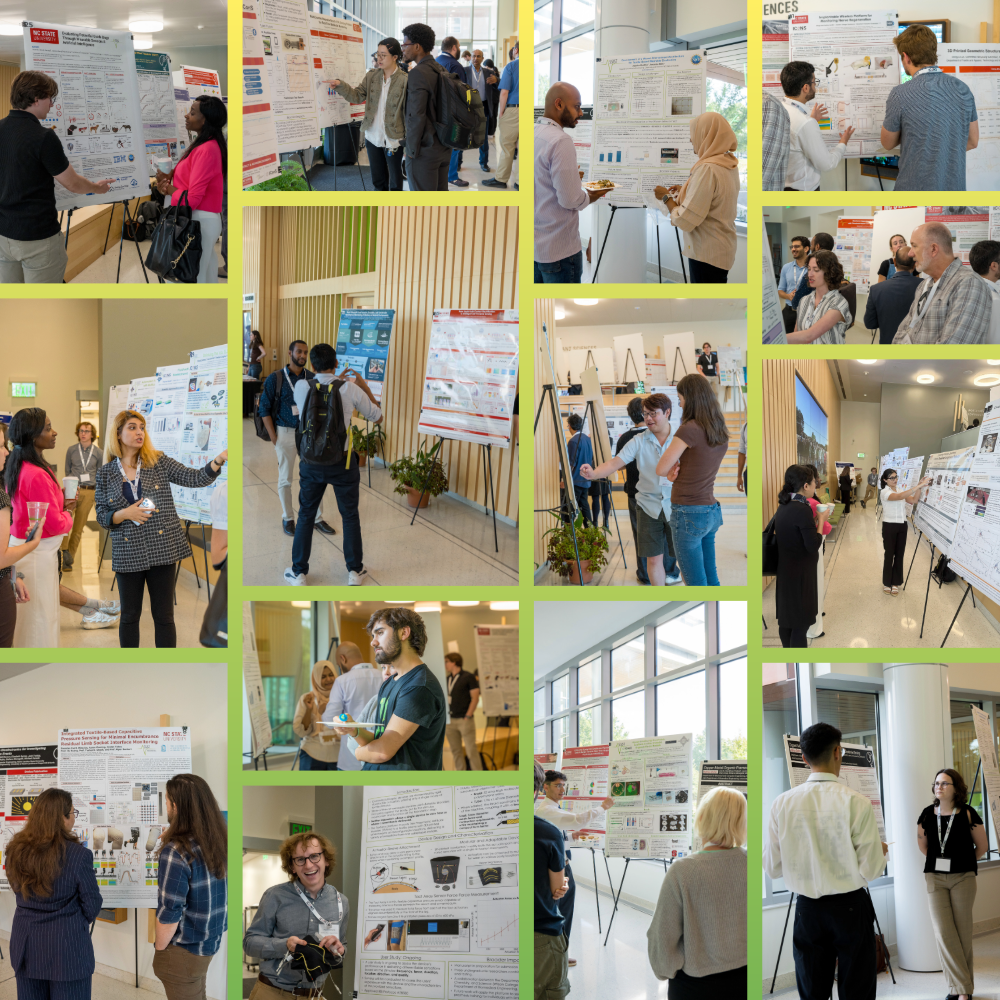
The Bioelectronics Workshop, held October 1, brought together international researcher community working in materials science, chemistry, physics, and device engineering. Topics included organic and bio-organic electronics, fluorescent nanosensors, additive manufacturing, neuromorphic electronics, protein-based circuits, and soft biological interfaces.
Together, the two days demonstrated how advances in materials, microelectronics, sensors, and AI are enabling increasingly sophisticated interactions with biological systems.
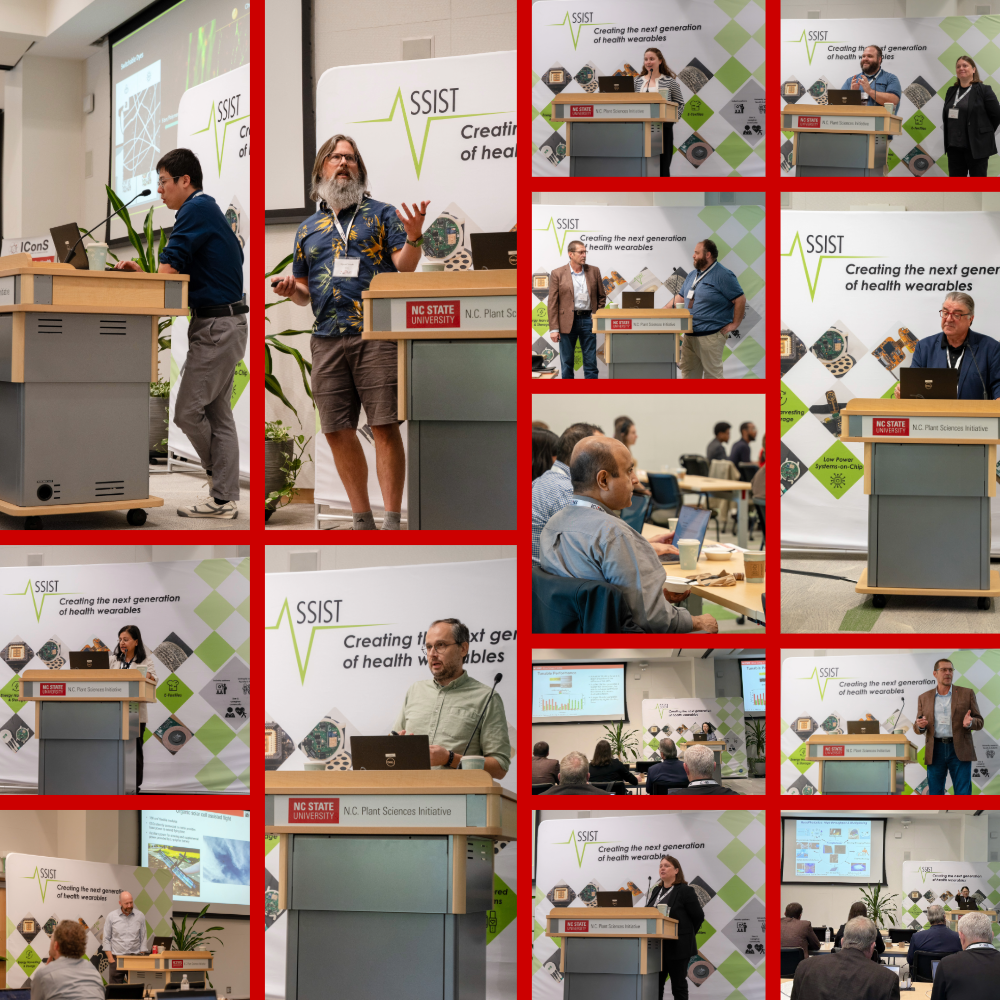
The third day built on these capabilities by asking a different question: As technology expands what we can sense, how might it change what we become aware of and how we relate to other living beings?
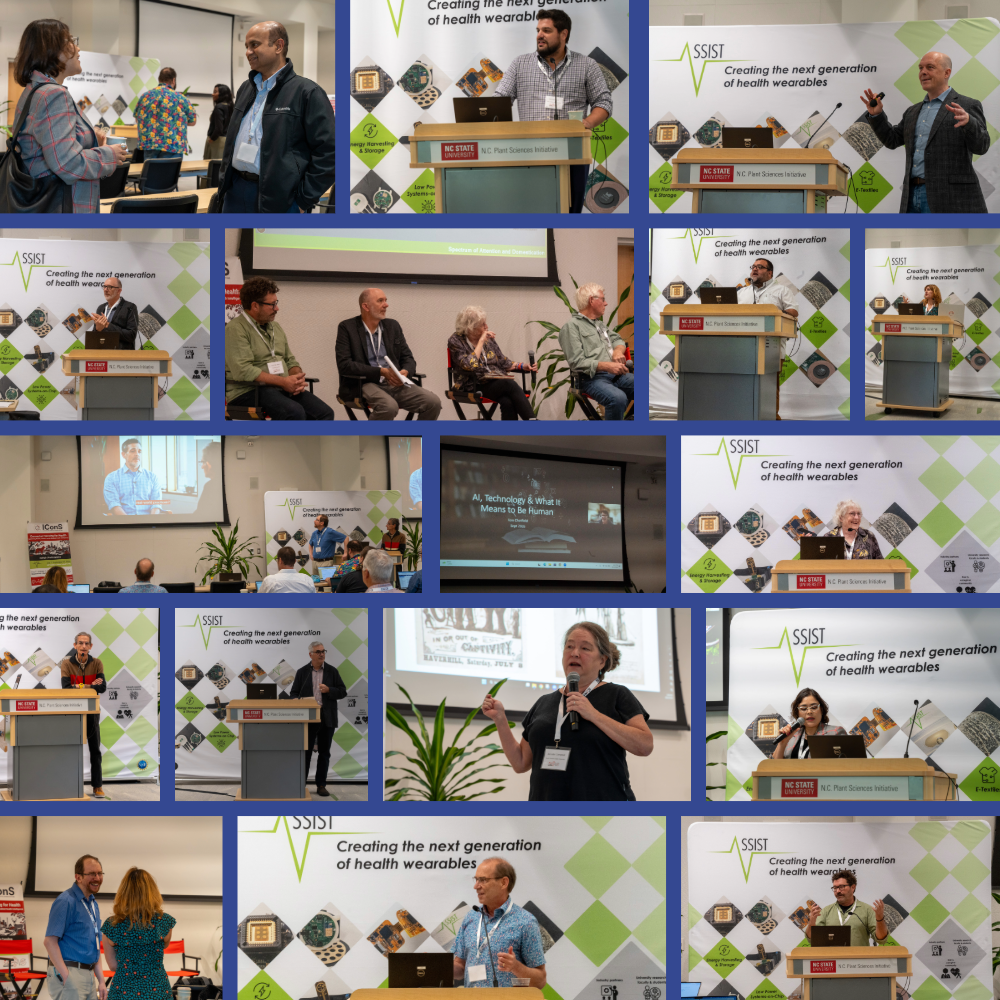
From Connected Sensors to Connected Awareness
The summit’s final day, supported by the Burroughs Wellcome Fund (BWF), took the conversation beyond conventional engineering and into the emerging concept of interspecies co-consciousness.
Co-organized by Bozkurt, Daniele, and NC State ecologist Rob Dunn, with contributions from an interdisciplinary organizing team, the Catalysis Meeting explored whether new technologies could provide fundamentally different ways to understand how humans, animals, and intelligent systems perceive and respond to one another.
In his opening presentation, Bozkurt, a professor of Electrical and Computer Engineering at NC State, introduced examples from his research involving bionic insects, working dogs, and freshwater mussels. These projects use miniature electronics, wearable and embedded sensors, wireless communication, and AI to monitor biological and behavioral signals that would otherwise be difficult for humans to detect.
The examples illustrated a broader scientific opportunity: sensors can expand human awareness of other organisms, while AI can help interpret complex physiological and behavioral information. When that information changes how humans respond to animals, and animals respond in turn, technology may create new forms of interaction and feedback across species.
This raises questions that extend well beyond conventional sensing.
Can technology help humans better understand the experiences of other living beings? How do domestication, companionship, and training shape shared attention and behavior? Can physiological synchronization and mutual responsiveness provide measurable evidence of meaningful relationships? And where should scientists draw the boundaries between signaling, cognition, awareness, and consciousness?
Rather than assuming that co-consciousness is an established scientific phenomenon, the meeting treated it as an open question and a possible framework for developing new research approaches.
Bringing Science, Philosophy, Art, and Indigenous Knowledge Together
The October 2 program deliberately brought together perspectives that rarely share the same scientific stage.
Louis J. Muglia, MD, PhD, President and CEO of the Burroughs Wellcome Fund, opened the day with a perspective from BWF’s As1: Conscious Connection initiative, which supports interdisciplinary exploration of consciousness and its relationship to health and well-being.
Rob Dunn explored interspecies interactions, ecology, and communication, while historian Matthew Booker examined how relationships between humans and nature have evolved over time.
Philosophers Irina Mikhalevich and Gary Comstock contributed perspectives on animal minds, cognition, ethics, and the moral implications of how humans understand other species. Representatives of the Lumbee Tribe of North Carolina brought Indigenous perspectives on human-animal-nature kinship.
A moderated artist panel, featuring Patrick Dougherty, Scott Hazard, Lauren Ruiz, Bryant Holsenbeck, and Sam Van Aken, explored how artistic practices can reveal different ways of experiencing nature, interpreting living systems, and understanding relationships between humans and the more-than-human world.
The afternoon expanded the discussion to artificial intelligence, animal welfare, ecology, and design. Technology philosopher and author Tom Chatfield addressed AI and what it means to be human. Jennifer Campbell examined animal behavior, welfare, and animals under human care, while Michael Cove contributed insights into wildlife ecology and human-wildlife relationships. Valeria López Torres explored human-AI relationships and more-than-human design.
Building a New Interdisciplinary Research Community on Consciousness Science
This second Co-Consciousness Catalysis Meeting taking place in October followed the Green-G Conference and the first Co-Consciousness Catalysis Meeting held in May 2026, which explored sensing, communication, and coordination among plants, fungi, microbes, and other biological systems. The October meeting extended those conversations to animal-human relationships and the growing role of artificial intelligence in interpreting biological signals.
Through the support of the Burroughs Wellcome Fund and collaboration among NC State’s engineering, scientific, humanities, and arts communities, the event aimed to establish connections that could lead to new experiments, collaborations, and research directions. The meeting emphasized that understanding consciousness and relationships across species will require more than increasingly powerful sensors or algorithms. It will also require creativity, presence and careful attention to what can actually be measured, how biological signals are interpreted, and what those interpretations mean for science, ethics, conservation, and human relationships with nature.
For Bozkurt, Daniele and their colleagues at IConS and ASSIST, the summit represented an opportunity to connect decades of progress in sensing and bioelectronics with a new generation of questions about awareness and interaction.
As connected technologies become increasingly integrated with living systems, the frontier may no longer be limited to what engineers can measure. It may also involve discovering how those measurements change our understanding of life, our relationships with other species, and ultimately our understanding of ourselves.
The 2026 Connected Sensing for Health Summit was made possible through the generous support and collaboration of the Institute for Connected Sensor Systems (IConS), the NSF ASSIST Center, NC State University, NCVIRAL, the NC Plant Sciences Initiative, the Data Science Academy, the Global One Health Academy, and the Gregg Museum of Art & Design. The Burroughs Wellcome Fund provided important support for the third-day Co-Consciousness Catalysis Meeting through its As1: Conscious Connection initiative, helping bring together scientists, engineers, philosophers, artists, and other scholars to explore emerging questions about consciousness and interspecies relationships.
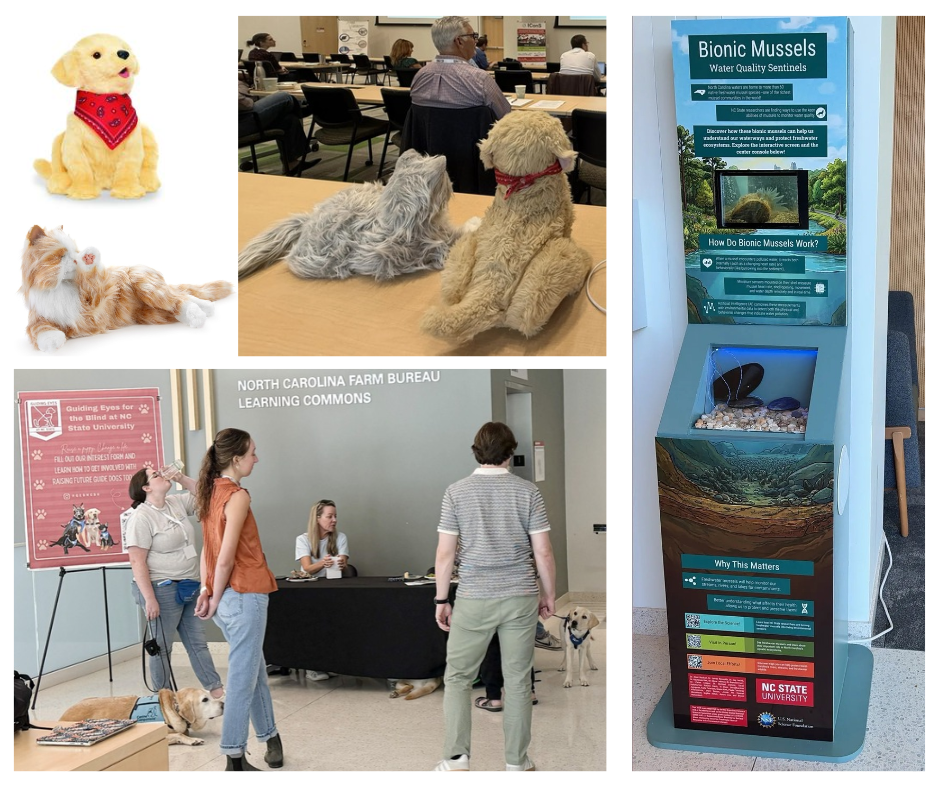
Interactive exhibits at the Co-Consciousness Workshop offered participants opportunities to engage with both live animals and animatronic companions, exploring different dimensions of human–animal–computer interaction. We extend our sincere appreciation to The Guiding Eyes for the Blind Club at NC State University, as well as organizations such as Canine Companions and Canines for Service for their participation.
About IConS: The Institute for Connected Sensor Systems at NC State University advances interdisciplinary research and collaboration in sensing technologies, bioelectronics, intelligent systems, and applications involving human, animal, and environmental health.
About ASSIST: The NSF Center for Advanced Self-Powered Systems of Integrated Sensors and Technologies (ASSIST) at NC State University has advanced research in self-powered wearable sensing, connected health technologies, and the translation of integrated sensor systems into real-world applications.
Event: Connected Sensing for Health Summit 2026
Dates: September 30–October 2, 2026
Location: NC State University, Plant Sciences Building, Raleigh, North Carolina
Photo Credit: Lina Acosta-Perez